





Key Features of a Warehouse Automation Platform: A Human-Centered Tour

Today’s chosen theme: Key Features of a Warehouse Automation Platform. Walk the aisles with us as we explore capabilities that turn busy floors into calm, predictable engines—so your team, customers, and carriers feel every improvement. Share your own must-have features as you read.

Real-Time Inventory Visibility That Never Blinks

When Ava’s night crew needed ten extra cartons to complete a rush order, a unified inventory view saved the shift. The system surfaced stock in overflow racks instantly, preventing overtime and a missed carrier cutoff. What blind spots would you eliminate first?

Real-Time Inventory Visibility That Never Blinks

From handheld scanners to weight sensors beneath racks, the platform collects small signals and stitches them into live counts. That fidelity matters when promotions spike demand, because every unit accounted for is one fewer exception to chase before dawn.

Smart Order Orchestration and Waveless Picking

A single missed service level can ripple through the day. By weighing promised‑by times, order sizes, and zone traffic, the system continuously reorders work. Lena once watched a fragile gift order leap ahead just in time to catch the early truck.

Smart Order Orchestration and Waveless Picking

Rather than batch waves that stall, tasks stream constantly to pickers with the right proximity and skills. The line never truly stops, and congestion fades. Have you tried waveless flows yet, or do waves still rule your shifts?
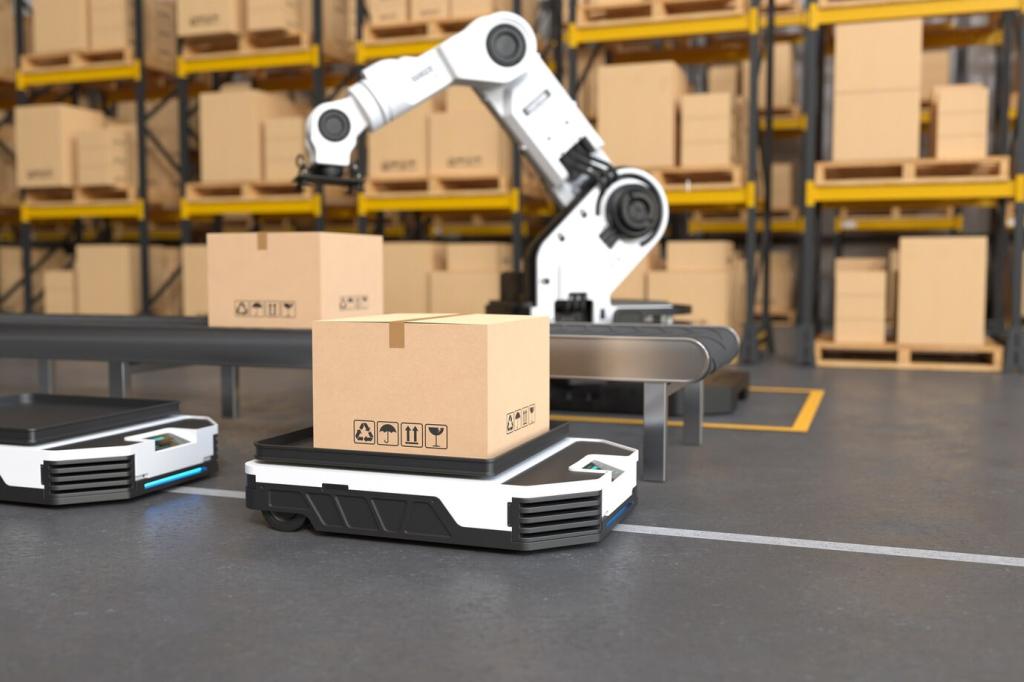
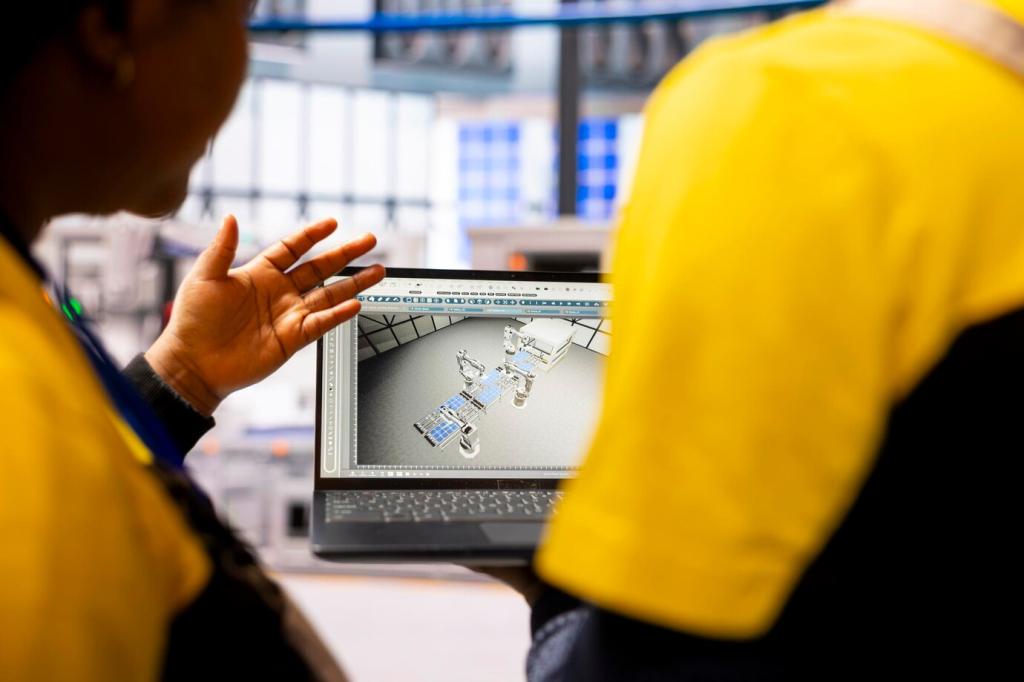
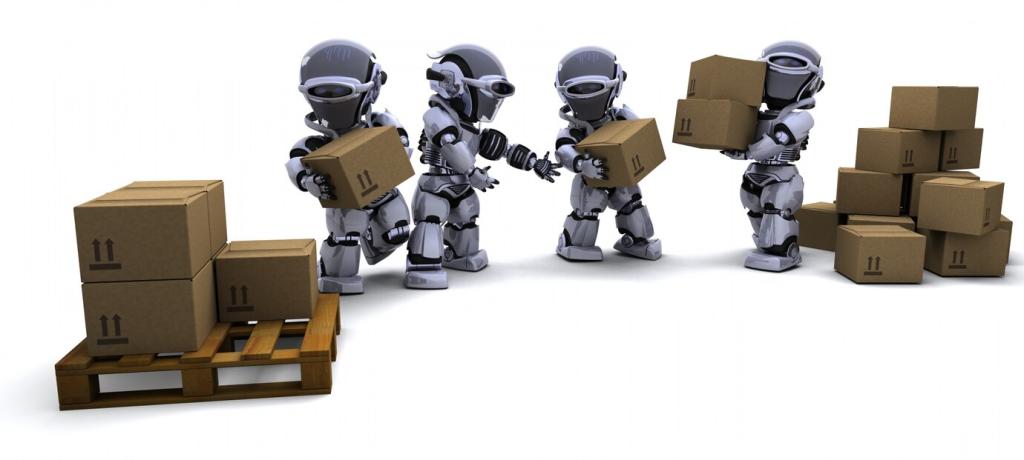
In Carla’s facility, autonomous mobile robots shuttle totes to a consolidation area while pickers stay within compact zones. Steps decreased, fatigue dropped, and quality rose. The platform assigns missions so neither people nor bots wait around.
Orchestration decides where items flow next, toggling between automated storage, put walls, and pack benches. It chooses routes based on load, urgency, and station status, preventing clogs that once turned a quiet afternoon into a frantic scramble.
Speed limits near forks, slow‑down zones around corners, and dynamic reroutes protect crews. The system encodes safety policies so no one has to guess. Tell us your top safety rule you’d want baked into robot behavior.

Labor Management, Coaching, and Gamification

New associates start with simpler picks while veterans handle multi‑line complexities. The platform routes tasks accordingly and logs progress. Mateo still remembers the pride of unlocking his first cross‑dock certification badge after a week of steady coaching.

Labor Management, Coaching, and Gamification

Dashboards highlight achievements without shaming. Teams compete on accuracy streaks, not just speed, and win simple perks. Engagement rises because the game feels fair. What metric would make a motivating, respectful leaderboard in your warehouse?

Operational Dashboards that Drive Action

Pick rate, dock dwell, and lines per order update in seconds. When rates slip, the system proposes root causes to investigate. Comment with your top three KPIs, and we’ll share a field‑tested visualization layout that teams actually use.

Forecasting to Get Ahead of Peaks

Demand models ingest orders, returns, and marketing plans to predict tomorrow’s labor and slotting needs. That is how Sonia avoided overtime two quarters straight—by staffing to the forecast, not yesterday’s crisis.

This is the heading

Lorem ipsum dolor sit amet, consectetur adipiscing elit. Ut elit tellus, luctus nec ullamcorper mattis, pulvinar dapibus leo.

This is the heading

Lorem ipsum dolor sit amet, consectetur adipiscing elit. Ut elit tellus, luctus nec ullamcorper mattis, pulvinar dapibus leo.

Quienestucalle
Privacy Overview

This website uses cookies so that we can provide you with the best user experience possible. Cookie information is stored in your browser and performs functions such as recognising you when you return to our website and helping our team to understand which sections of the website you find most interesting and useful.