Chosen theme: Future Trends in Warehouse Automation Technology. Step into a horizon where robots, AI, and human ingenuity transform every aisle. Explore practical insights, vivid stories, and bold ideas shaping the next decade of resilient, intelligent, and sustainable warehouses. Subscribe and join the conversation about what’s next.
AI-Powered Orchestration and Predictive Operations
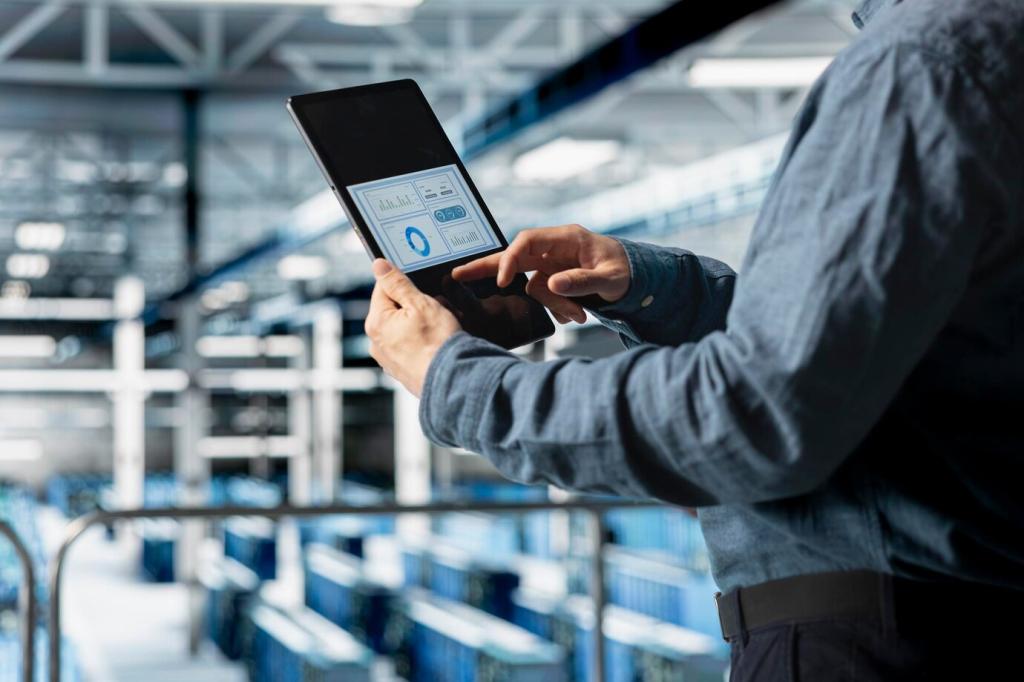
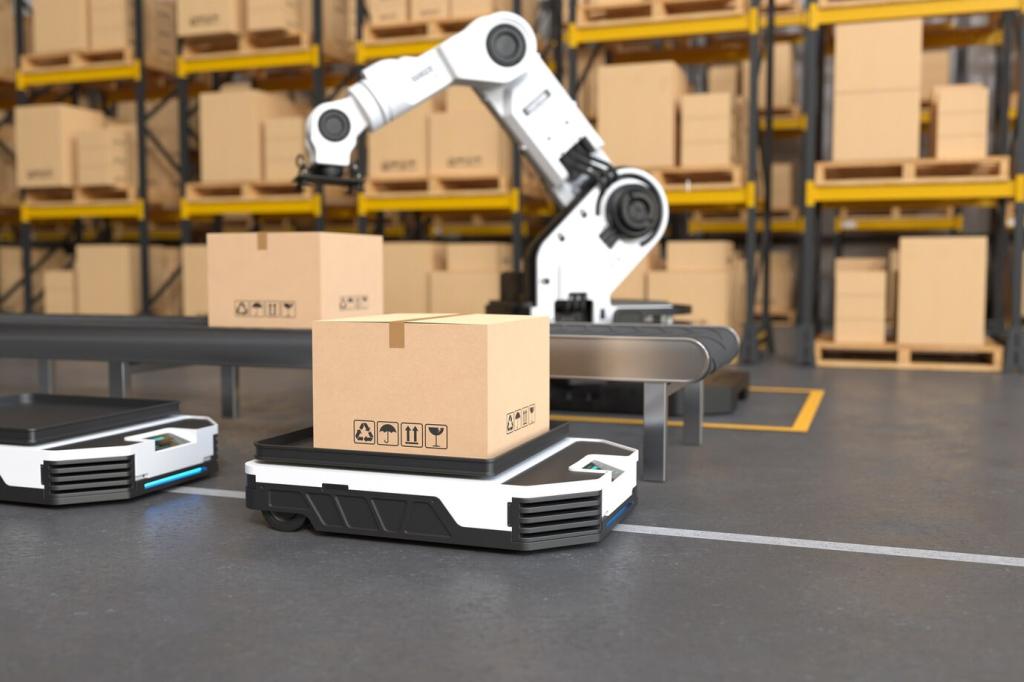
Tomorrow’s systems won’t just visualize status—they will decide. Think of an orchestrator that reallocates AMRs, retasks pickers, and resequences orders automatically when a hot shipment arrives. Share your current dashboards and tell us where decision automation would help most.
AI-Powered Orchestration and Predictive Operations
Instead of scrambling after exceptions, predictive models anticipate SKU spikes, carton shortages, or dock congestion hours ahead. One Midwest 3PL cut overtime by forecasting inbound variability and shifting labor earlier. Would predictive alerts change your morning stand-up?
As facilities scale, one brand rarely fits all tasks. Expect standardized APIs and fleet managers that let different AMRs share maps, missions, and priorities. Comment with your hardest interoperability pain point and what you wish vendors would standardize first.
Computer Vision, Tactile Sensing, and Robotic Picking
01
Vision That Understands, Not Just Sees
Future systems fuse RGB, depth, and synthetic training data to recognize crumpled bags or partially obscured labels. One apparel pilot halved no-pick events by teaching models on augmented digital twins. Tell us which product types still stump your cameras.
02
Grippers Grow Gentle and Clever
Expect hybrid grippers blending suction, fingers, and tactile sensors to gauge slip and adjust force mid-lift. A vitamins picker reduced crushed cartons after adopting compliance-aware fingertips. What fragile SKU keeps you awake before peak season?
03
Cycle Time, Reliability, and Real-World Throughput
It’s not about demo speed; it’s about shift-long consistency. Teams now track picks per labor hour and sustained uptime across SKU mixes. Subscribe to our quarterly benchmarks comparing picking cells on reliability, not just headline cycle times.
Edge Computing, IoT, and Real-Time Visibility
When Wi‑Fi wobbles, edge nodes keep totes moving and printers labeling. A Rotterdam facility weathered a cloud outage with local fallback missions that prevented a costly dock backlog. Share your most critical workflows that must never stall, even for minutes.
Edge Computing, IoT, and Real-Time Visibility
Battery-less tags, vibration sensors, and e-ink bin labels update in seconds, revealing empty slots or misplacements automatically. Teams stop hunting for inventory and start planning the next pick wave. Subscribe for our guide to low-power retrofits that scale cheaply.
Digital Twins and Simulation-Driven Layouts
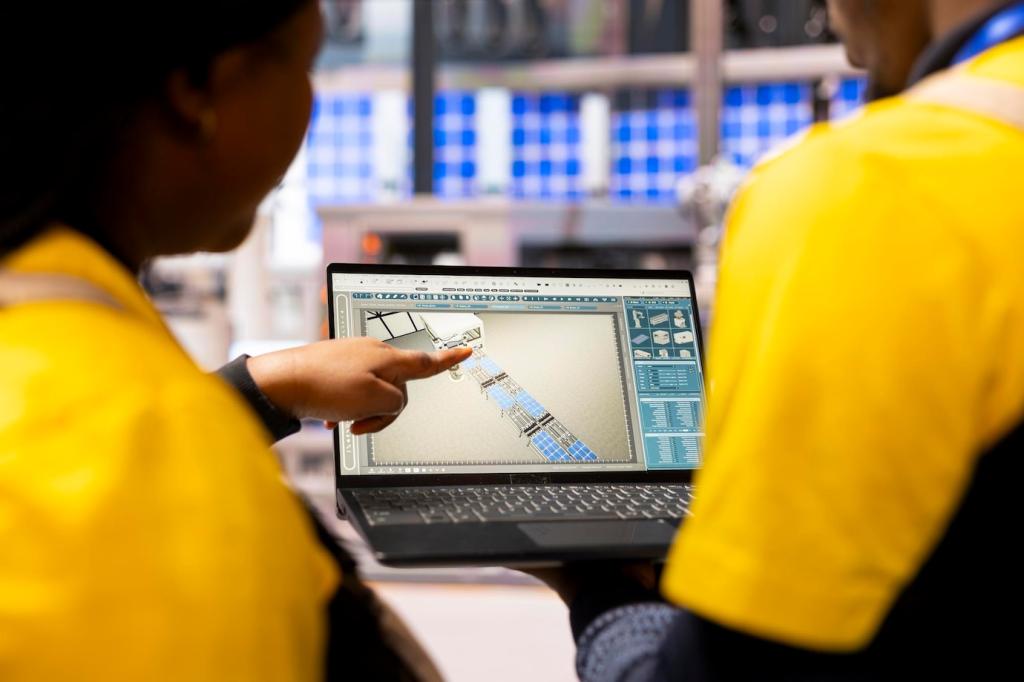
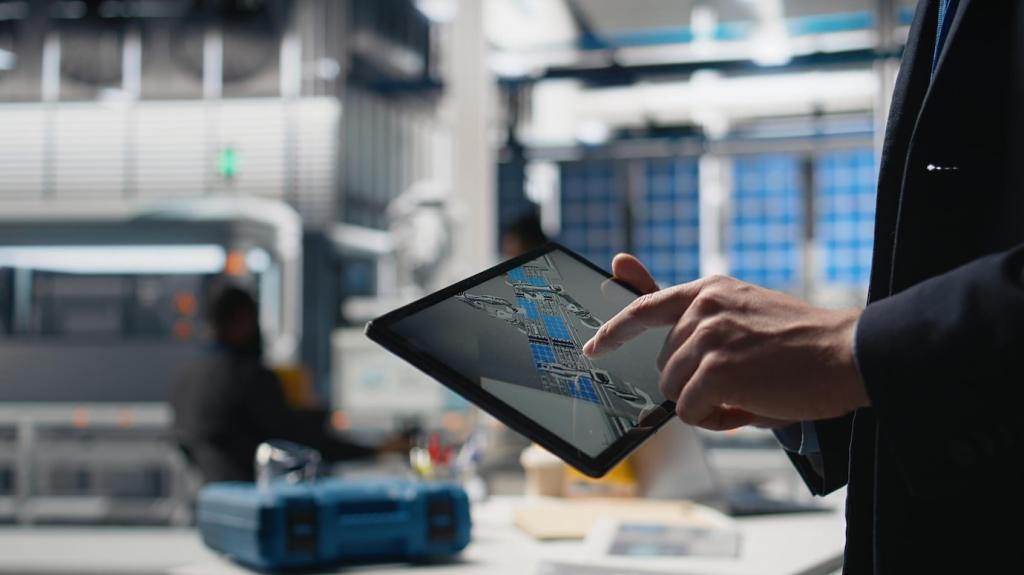
Model peak weeks, SKU introductions, and staffing changes to expose hidden choke points. A home goods DC avoided a costly mezzanine by proving a zone-picking alternative in simulation. Comment with the what-if scenario you wish you could test today.
Digital Twins and Simulation-Driven Layouts
The best twins ingest real telemetry—AMR positions, pick rates, and queue lengths—so predictions improve weekly. Think of it as GPS for operations, rerouting flow as conditions change. Subscribe to learn our favorite feedback signals that keep twins honest.
Digital Twins and Simulation-Driven Layouts
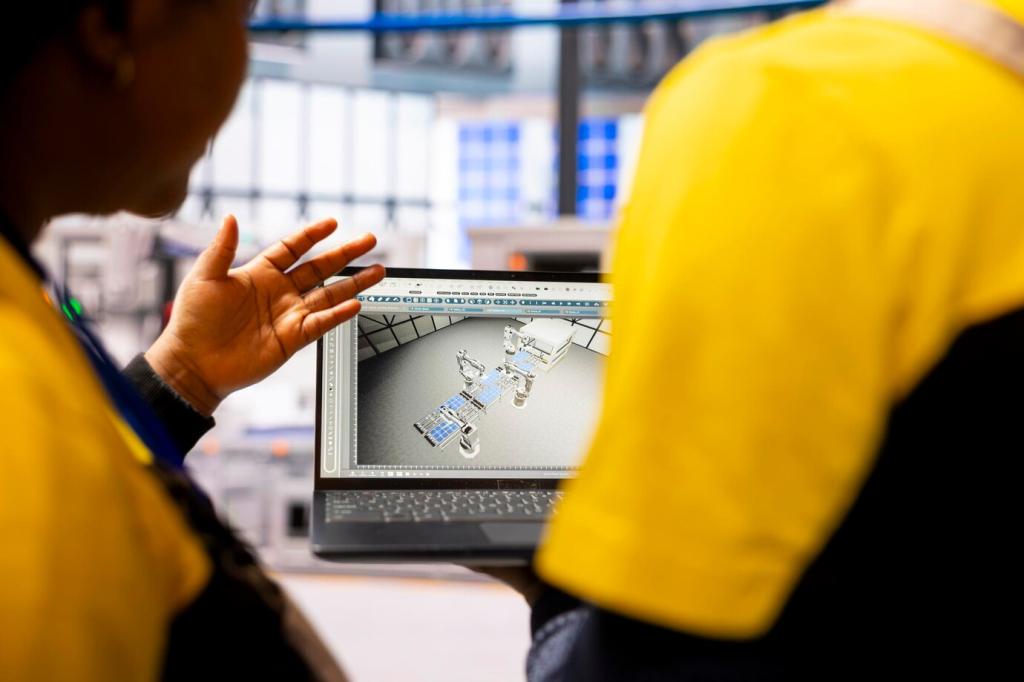
Showing frontline teams a simulated day in their future station reduces anxiety and speeds adoption. One supervisor said, “Seeing it run before we ran it kept morale high.” What would your crew want to preview first?
Expect WES software that batches lifts during off-peak tariffs, idles conveyors intelligently, and charges AMRs opportunistically. A beverage DC shaved noticeable costs by aligning charge windows with solar output. Share your best low-effort energy win in the comments.
Modular rollers, snap-in sensors, and standardized belts simplify maintenance and cut waste. Teams celebrate when a ten-minute swap avoids a day of downtime. Subscribe for our modularity checklist to evaluate vendors through a sustainability lens.
Automation can reduce dunnage by stabilizing totes and softening accelerations. One pilot lowered damages and improved NPS after tuning AMR braking profiles. What damage category—corner crush, seal rupture, or scuffing—hurts your brand the most today?
Cybersecurity, Governance, and Trustworthy Automation
01
Future networks assume breach and verify every request—AMRs, scanners, and printers included. Segmented zones and signed updates prevent a minor incident from halting production. Tell us which device type is hardest for your team to keep patched reliably.
02
Operators trust automation that explains choices in plain language: why an order jumped the queue, why a route changed mid-mission. Clear logs make audits smoother and training faster. Subscribe for templates that translate machine decisions into human terms.
03
Safety and security standards will converge, clarifying roles for integrators, vendors, and site operators. The best programs rehearse incident playbooks like fire drills. How often do you run tabletop exercises, and who sits at the table?